Summer Storm Prep
Thunder, lightning, and hail. Prepare your home for the violence of summer weather systems.
By Dan Gold · Sources reviewed
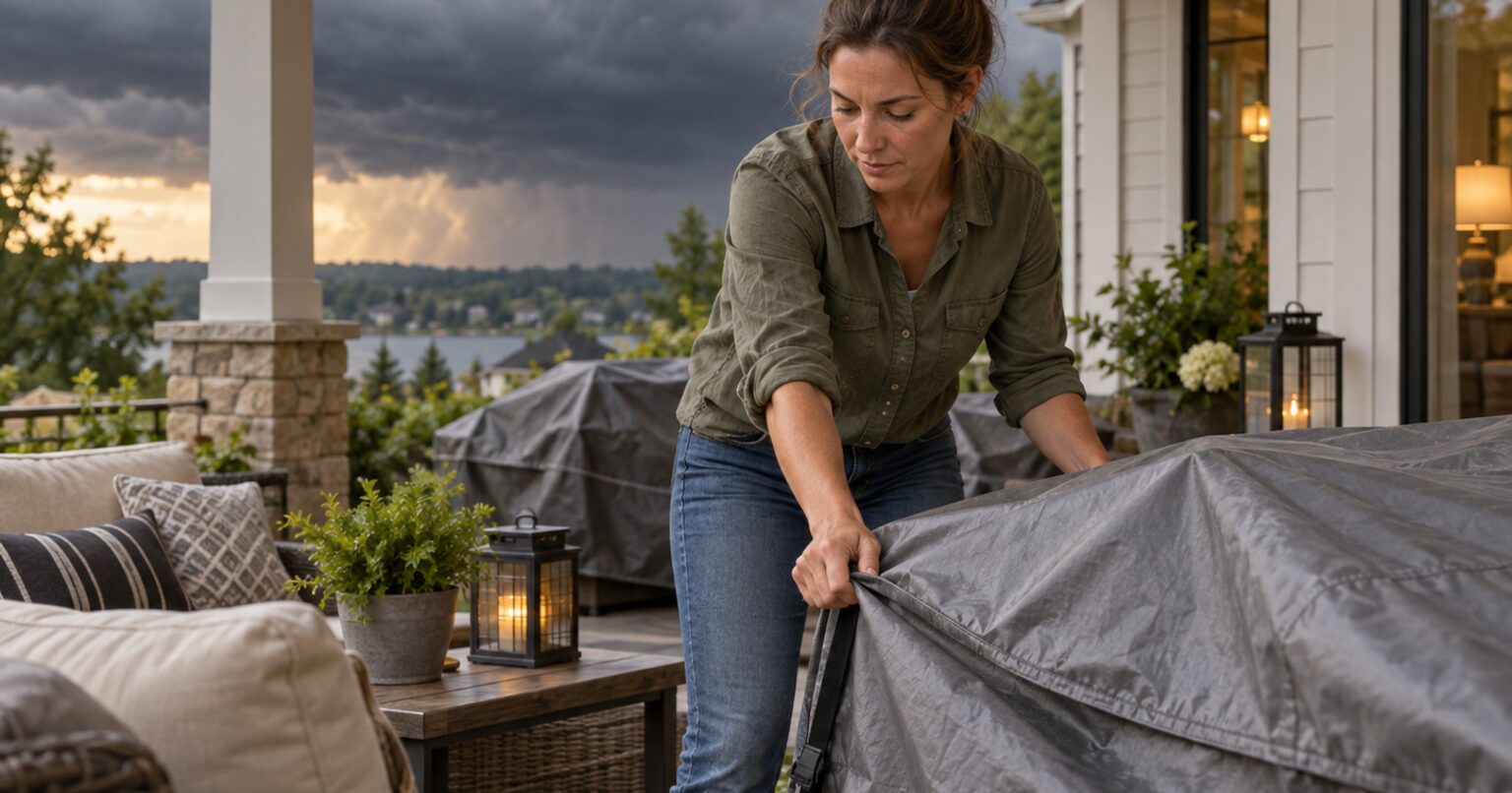
Complete outdoor and electrical preparations before thunder or hazardous wind starts. Once a warning arrives, shelter or evacuate as instructed; do not go outside to clear a drain or unplug equipment during lightning.
Work through the checklist
- Trees: Observe damaged or dead limbs from the ground. Use an arborist for large branches, overhead work or anything near utility lines.
- Loose objects: Secure or store umbrellas, furniture and play equipment with suitable methods before dangerous weather.
- Drainage: Clear safe, accessible gutters/downspouts and observe discharge; avoid floodwater and roadway traffic.
- Sump: Test under the pump’s instructions and verify backup/discharge status.
- Surge protection: Use correctly rated listed protectors for appropriate devices; have panel protection installed by an electrician. No strip guarantees lightning protection.
- Backups: Verify a recoverable off-site copy of important data and home records.
- Light and alerts: Test flashlights, radio and local alerts; keep charged power banks and cables.
- Garage release: Practice only as the opener manual directs, usually with the door fully closed. A damaged or unbalanced door needs a professional.
- Street drainage: Report blocked public drains or clear permitted accessible surface debris only before the storm and from a safe location.
- Windows: Close and latch windows, check visible seals, and address known leaks ahead of the season.
- Shelter: Decide the safest indoor location and route, including pets and accessibility needs.
Progress is saved in this browser. Revised tasks start a new checklist.
Check the result and follow up
Confirm everyone can receive warnings and reach shelter. During lightning, avoid plumbing, corded devices and conductive connections; do not touch plugs to “protect” equipment. Afterward, keep clear of floodwater and downed lines, and follow official food-safety guidance after outages.
Sources and scope
These references support the guidance above. Source review is not a hands-on test of your home or a certification of a product. Follow the instructions for your exact model and local requirements.
Did this help?
Get more simple guides like this in your inbox.