By Dan Gold · Sources reviewed
Protect Drains
Choose a compatible hair catcher, clean it regularly, and check whether a recurring slow drain needs further attention.
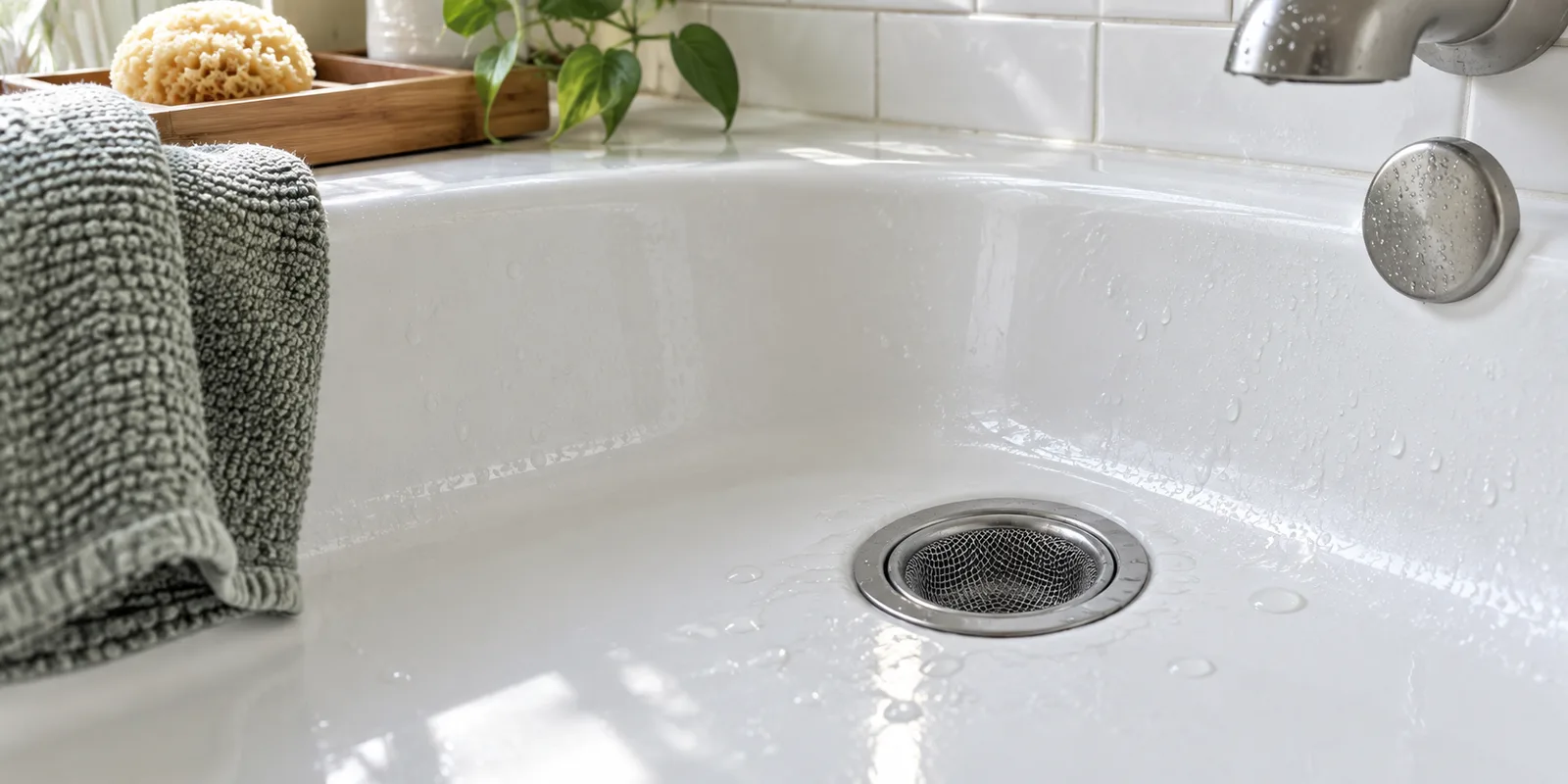
A compatible hair catcher can reduce hair entering a drain, but it needs cleaning and does not fix an existing blockage.
Choose and fit
- Measure the drain and identify its stopper or grate. Use a catcher designed for that opening; some sit inside the drain and others cover it.
- Remove accessible debris first. Do not dismantle an unfamiliar stopper or reach into a powered disposal.
- Fit the product according to its installation instructions. Do not force it past crossbars or prevent a stopper from working.
- Run water and watch for pooling. An overly restrictive or clogged catcher needs cleaning or a different fit.
- Remove collected hair after use or as frequently as needed, using gloves or a towel. Rinse and refit the catcher.
Check the result
Water should drain at its normal rate during a shower or sink use. Recheck with the catcher removed if flow slows. If drainage is poor either way, use the sink blockage guide or a plumber rather than buying more catchers.
Keep grease, wipes, and other unsuitable waste out of drains too. No catcher guarantees a clog-free pipe.
Sources and scope
These references support the guidance above. Source review is not a hands-on test of your home or a certification of a product. Follow the instructions for your exact model and local requirements.
Related reads and checklists
Descaling Your Showerhead
Clear approved showerhead mineral deposits, protect the finish, and distinguish blocked jets from a wider pressure problem.
BlogHard Water Faucet Rescue
Soaking aerators to remove calcium buildup and straighten out water flow.
ChecklistBathroom Remodel Planning
Plan the perfect sanctuary. A roadmap to navigating layouts, materials, and plumbing for a successful renovation.
ChecklistWhole Home Plumbing Audit
Catch leaks before they become floods. A systematic check of taps, traps, and tanks to ensure water stays in the pipes.