Fireplace and Chimney Prep
Enjoy the warmth safely. Essential maintenance for wood-burning and gas fireplaces to prevent carbon monoxide and creosote buildup.
By Dan Gold · Sources reviewed
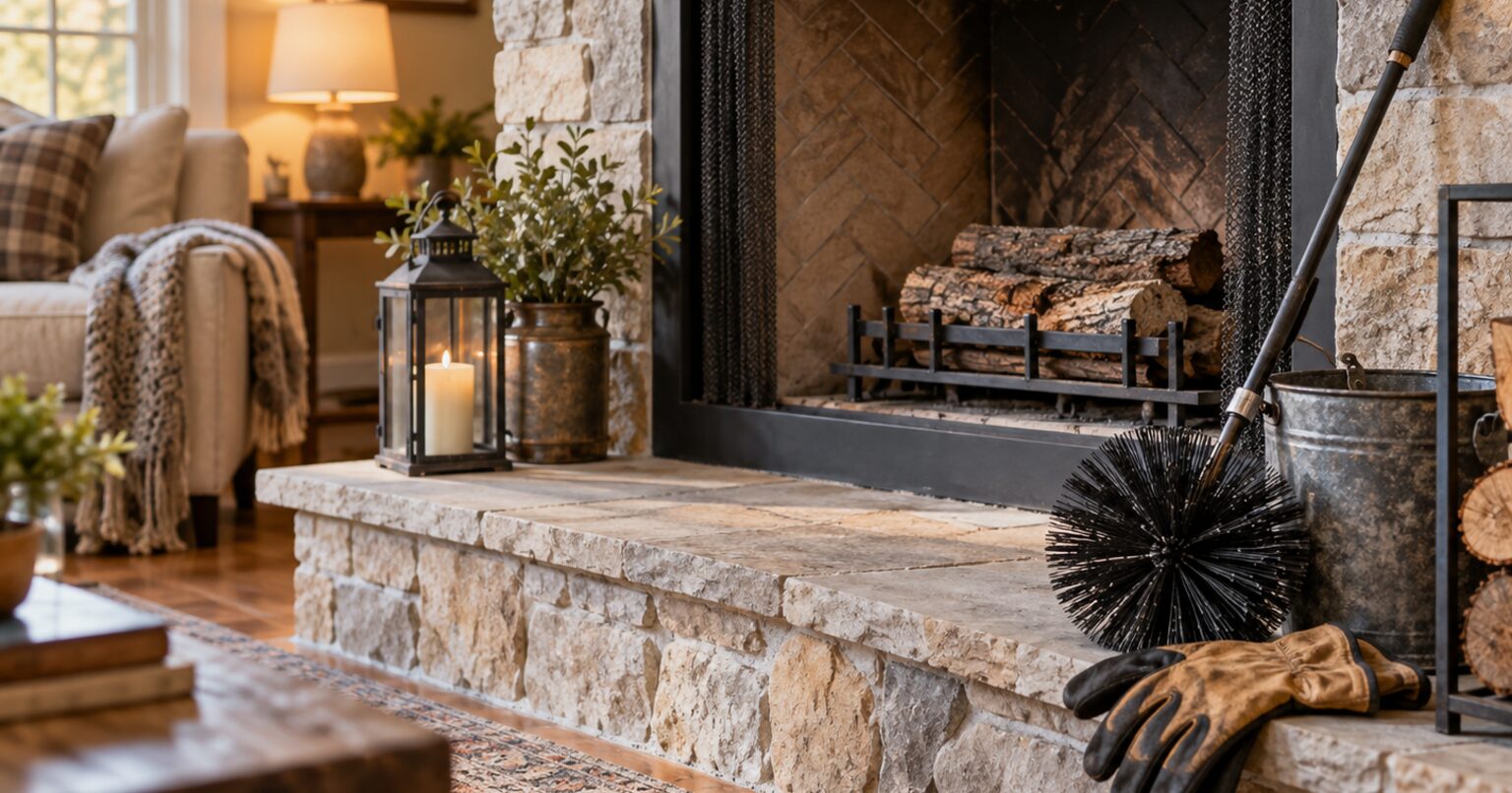
Identify whether you have a masonry wood fireplace, stove, insert or gas appliance. Each has different controls and glass. Arrange an annual chimney inspection and cleaning or repairs as indicated before regular use.
Work through the checklist
- Inspection: Book a qualified chimney or appliance professional and save the report. A chemical log is not a substitute for inspection.
- Firebox: With the appliance cold, visually note damaged bricks, liner, refractory panels or mortar. Have damage assessed before firing.
- Damper: Follow the appliance’s operating instructions. Do not lubricate a hot flue or alter a gas appliance damper requirement.
- Cap and vent: Observe from the ground for obvious damage or nests; leave roof access and obstruction removal to a professional.
- Glass: Clean cold glass with the appliance-approved cleaner. Do not improvise abrasive ash cleaning on unknown coatings.
- Door seals: Inspect for wear; use the maker’s seal test and correct replacement. A dollar-bill test is not universal.
- Clearance: Keep furniture, stored wood and decorations outside the specified combustible clearances; maintain a suitable screen where required.
- Alarms: Test smoke and CO alarms, check coverage and each model’s replacement date.
- Fuel: Use the appliance-approved dry fuel. For wood, verify moisture using a meter as directed, not calendar age alone.
- Gas controls: Have pilot, burner, vent and soot issues assessed by a qualified technician. Never treat unexplained soot as harmless.
Progress is saved in this browser. Revised tasks start a new checklist.
Check the result and follow up
Use the appliance only after unresolved defects are addressed and you know its shutdown procedure. Keep ashes in an appropriate covered metal container away from combustibles. For gas odor, smoke entering the room, or a CO alarm, leave the area and seek emergency help. Do not add “high-temperature” spray as a generic repair.
Sources and scope
- CSIA: annual inspections and professional cleaning
- USFA: smoke alarm placement, testing and replacement
These references support the guidance above. Source review is not a hands-on test of your home or a certification of a product. Follow the instructions for your exact model and local requirements.
Did this help?
Get more simple guides like this in your inbox.
Related reads and checklists
Ceiling Fan Direction
Set ceiling-fan direction for summer and winter, change it safely, and verify the airflow from below.
ChecklistFall and Winterizing Checklist
Prepare your home for the cold. A complete guide to sealing leaks, servicing heating systems, and preventing freeze damage.
BlogProgramming Your Thermostat
Choose a heating and cooling schedule suited to your equipment, check actual operation, and adjust setbacks for household needs.
ChecklistHVAC Maintenance Checklist
Keep your heating and cooling systems running efficiently and extend their lifespan with this critical maintenance routine.