Septic System Maintenance
Keep the flow going. Essential care for private septic systems to prevent expensive backups and drainfield failure.
By Dan Gold · Sources reviewed
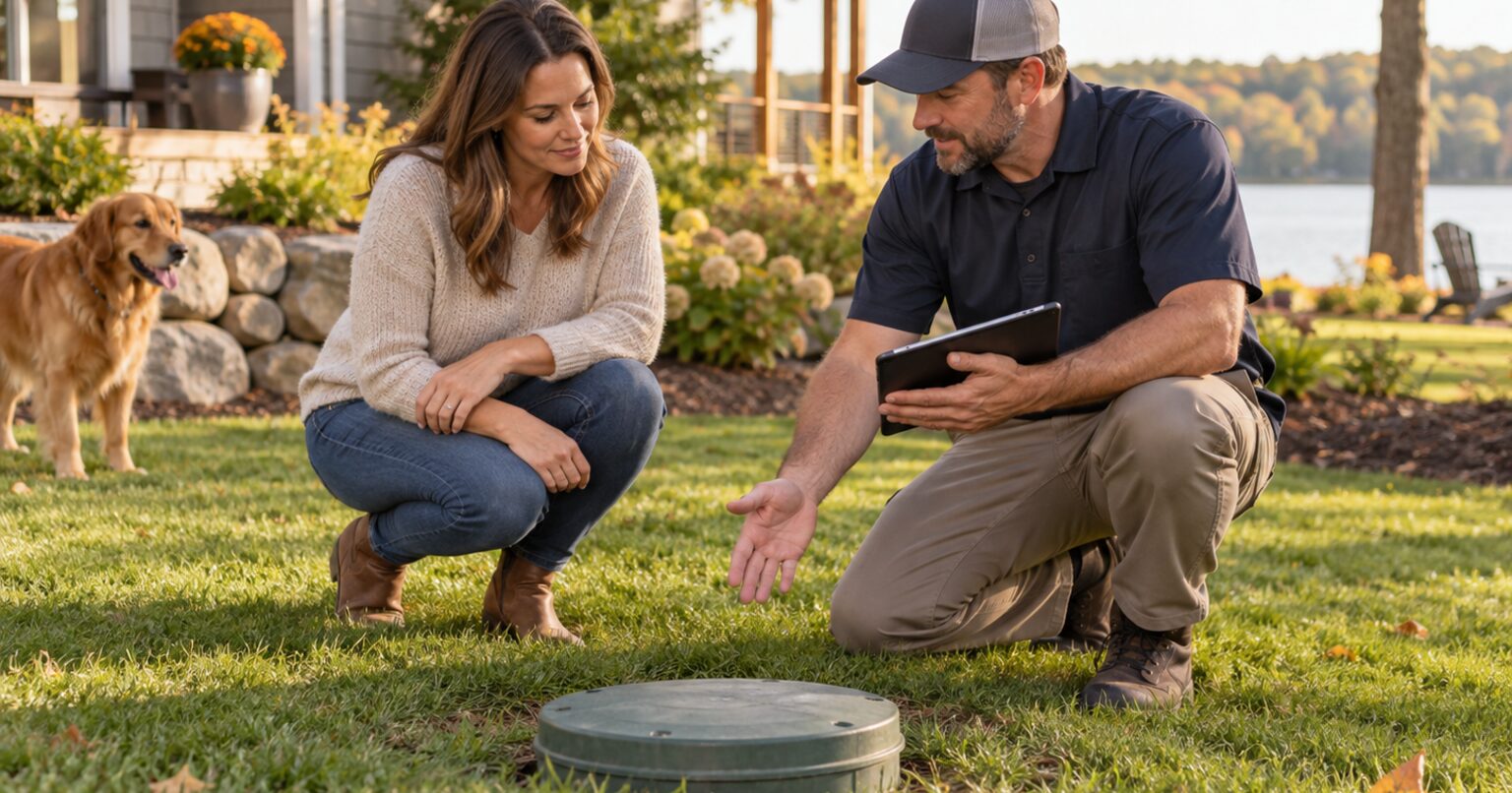
Get the system layout, permits and service history. A septic system can contain toxic gases and unsafe covers: do not enter a tank, remove a lid yourself, or install an outlet filter as a casual DIY task.
Work through the checklist
- Service schedule: Ask a septic professional about inspection and pumping needs. EPA’s general household intervals are inspection at least every three years and pumping commonly every three to five; advanced systems may need more frequent service.
- Caps and lids: Observe accessible covers for damage without opening them. Keep them secured and report cracks promptly.
- Drainfield: Look from a safe position for sewage odor, persistent wetness or unusually lush patches; document and call for assessment.
- Effluent filter: Ask the provider whether the system has or needs one and arrange its proper inspection/cleaning.
- Flushing: Flush human waste and toilet paper only; wipes and other solids belong in appropriate waste disposal.
- Kitchen waste: Keep grease and food solids out. Discuss disposal use with the service provider rather than assuming grinding makes waste disappear.
- Runoff: Keep downspouts and other stormwater directed away from the drainfield without sending it onto neighboring property.
- Cleaning products: Follow labels and system guidance; avoid dumping solvents, paint or large chemical quantities into drains. Do not use additives to postpone pumping.
- Location record: Use approved plans or the provider to locate the tank and field. Do not probe the yard with rebar near unknown utilities.
- Pumps and alarms: Follow the system’s test and service instructions; arrange urgent service for a high-water alarm.
- Water use: Fix leaks and spread water-heavy chores through the week. Keep vehicles and structures off the drainfield.
Progress is saved in this browser. Revised tasks start a new checklist.
Check the result and follow up
Save the inspection report, measured solids/service advice and next due date. A wet field, sewage backup or alarm is unresolved; reduce water use and contact the provider promptly. Do not drive over or dig into the field, and do not treat a “septic-safe” label as permission to flush unsuitable waste.
Sources and scope
These references support the guidance above. Source review is not a hands-on test of your home or a certification of a product. Follow the instructions for your exact model and local requirements.
Did this help?
Get more simple guides like this in your inbox.
Related reads and checklists
Clean Gutters with a Leaf Blower
Assess whether ground-based gutter attachments suit your home, clear accessible debris safely, and check downspout flow.
BlogCheck Outdoor Spigots (and Hoses)
Locate an outdoor-faucet leak, identify the model-specific repair, and winterize hoses without forcing a stuck valve.
ChecklistFall and Winterizing Checklist
Prepare your home for the cold. A complete guide to sealing leaks, servicing heating systems, and preventing freeze damage.
ChecklistPool Opening Checklist
Plan a pool opening with equipment checks, water testing and chemical-label guidance, and know when to stop for qualified help.