By Dan Gold · Sources reviewed
Removing Sticker Residue
Remove adhesive residue using a method compatible with glass, paint, or the specific surface finish.
Start with the least aggressive method the surface can tolerate. A razor blade or solvent can remove adhesive and also permanently damage paint, coatings, or plastic.
Remove gently
- Identify the material and finish, then test a hidden area. Avoid wet treatment on unsealed wood or other water-sensitive surfaces.
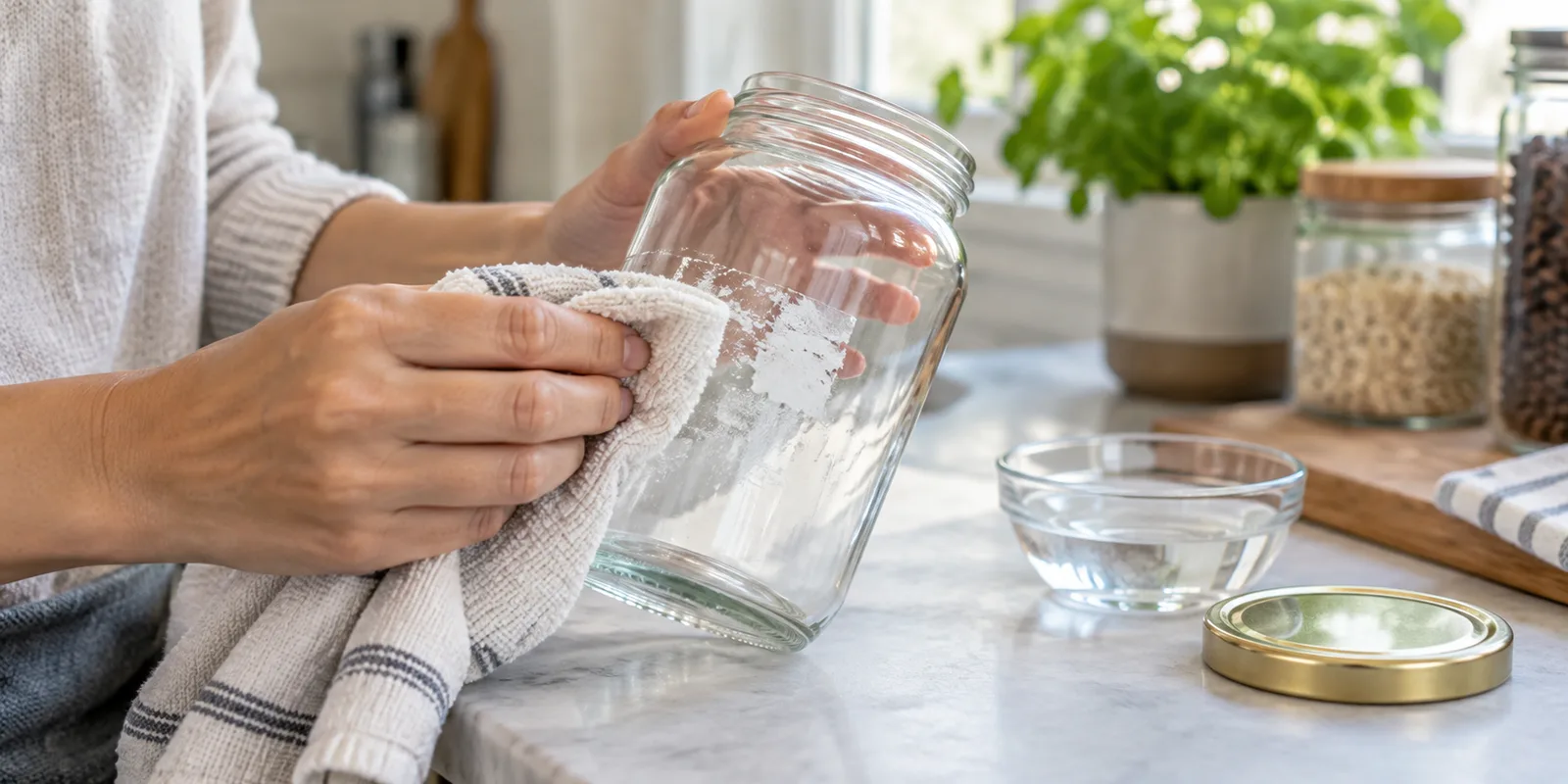
- Peel loose paper slowly. Use a plastic scraper or a damp cloth if the material allows it.
- For remaining adhesive, choose a remover whose label approves that surface. Apply its stated amount and dwell time to a test spot first.
- Wipe with a clean cloth and wash or remove residue exactly as directed. Ventilate and keep away from ignition sources where the label requires it.
- Dry and inspect before repeating.
Check the result
The area should be free of tack without a change in sheen, color, or texture. Stop if the finish softens or transfers onto the cloth.
Do not use a metal scraper on painted surfaces, plastic, or unknown/coated glass. Do not heat a surface after applying a flammable solvent. Valuable or delicate objects may need specialist cleaning.
Sources and scope
These references support the guidance above. Source review is not a hands-on test of your home or a certification of a product. Follow the instructions for your exact model and local requirements.
Related reads and checklists
Carpet Dents and the Ice-Cube Trick: What to Check First
Assess carpet dents, try gentle pile recovery, and check care instructions before using the popular ice-cube trick.
BlogCleaning Baseboards with Dryer Sheets
Clean baseboards with a vacuum and soft cloth, protect the finish, and understand the limits of the dryer-sheet trick.
BlogRefresh Your Mattress
Refresh bedding and a mattress using its care instructions, avoid excess moisture, and investigate persistent odors.
BlogRemove Crayons from Walls
Remove crayon from painted walls with gentle cleaning, and learn when heat may help without damaging the finish.